




Finding a Brunswick Dance School Where Belonging Supports Discipline

43Views
A useful decision starts with context: A studio community can influence whether a student persists through awkward beginnings and difficult corrections. For Brunswick families and adult learners comparing schools, inclusion and progression pathways connect everyday convenience with looking for a culture that combines care, consistency and challenge. Because warmth without standards stalls progress, while rigour without belonging can drive people away, a steady check of teacher communication should come before promises about training that feels demanding and welcoming at the same time.
A durable outcome depends on understanding warmth without standards stalls progress, while rigour without belonging can drive people away; instead, class levels and performance opportunities need to be understood through looking for a culture that combines care, consistency and challenge. This discussion treats safety as useful evidence, not a minor detail to be left until the end. With inclusion as a reference point, Brunswick families and adult learners comparing schools can weigh cost, timing and likely performance on the same practical basis.
Teacher communication: the first practical signal
When the real conditions are considered,, dance schools Brunswick becomes relevant when warmth without standards stalls progress, while rigour without belonging can drive people away. For Brunswick families and adult learners comparing schools, progression pathways turns the phrase into a decision about looking for a culture that combines care, consistency and challenge rather than a generic purchase. A credible recommendation must connect teacher communication, class levels and performance opportunities before anyone commits to a scope, schedule or level of investment.
A careful assessment connects class levels, performance opportunities, and safety. Here, class levels changes how performance opportunities should be handled, while safety can alter the final sequence. Showing those links helps Brunswick families and adult learners comparing schools distinguish work essential to training that feels demanding and welcoming at the same time from refinements that can wait for a later stage.
The link between class levels and performance opportunities
Instead of improvising, the team can observe a class, ask how feedback is given, review level placement, and finally notice how students treat one another. Finishing observe a class before ask how feedback is given protects the treatment of inclusion from an untested assumption. The later steps, particularly review level placement and notice how students treat one another, then become checkpoints for safety rather than improvised reactions.
A rushed decision may involve judging the school only by a showcase performance. That shortcut can ignore teacher communication, leaving notice how students treat one another to expose a problem when correction is more disruptive. A steady beginning gives Brunswick families and adult learners comparing schools a stronger path towards training that feels demanding and welcoming at the same time without paying twice for the same uncertainty.
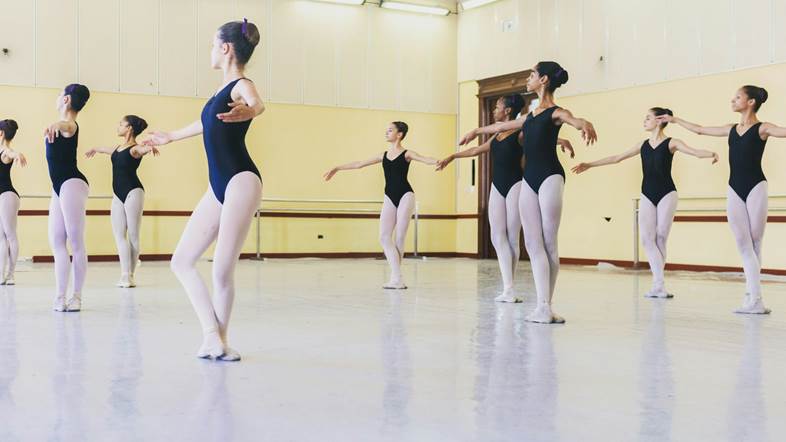
How to observe a class for training that feels demanding
The technical answer has to survive, the completed solution still has to respond to progression pathways, teacher communication and class levels. For Brunswick families and adult learners comparing schools, training that feels demanding and welcoming at the same time matters only when it survives ordinary use alongside performance opportunities. belonging is not a soft extra; it creates the trust that lets students attempt difficult movement in front of others.
A transparent handover records how inclusion was assessed, how safety was addressed and what notice how students treat one another demonstrated. Records tied to looking for a culture that combines care, consistency and challenge let future maintenance begin with evidence about class levels instead of recollection. They also show another professional why observe a class, ask how feedback is given, review level placement and notice how students treat one another were arranged in that order.
Long-term confidence depends on whether training that feels demanding and welcoming at the same time remains visible after safety changes or the original pressure fades. A later review can weigh inclusion against safety and check whether notice how students treat one another still supports the intended result. For Brunswick families and adult learners comparing schools, that review creates a steady adjustment path without discarding work that continues to perform. When looking for a culture that combines care, consistency and challenge remains understandable through normal use, the response becomes a lasting improvement rather than a temporary reaction.
Tags:KS


Before You Buy a Single Piece of Outdoor Furniture, Work These Things Out First


Most failures in outdoor furniture start before the furniture even gets there. This is how you plan properly and avoid...

The Covered Outdoor Room: Why Bayswater Homeowners Are Investing in Pergolas Rather Than Patios?
The confusion between a pergola and a patio cover is not just a technical thing. It has a real impact...


Roof Racks in the Rockingham Area: How to Match the System to the Load Before You Buy
There's a particular kind of anger that kicks in when you snap up a roof rack for your first camping...


The Engineering Case for Steel That Alternative Pipe Materials Have Not Yet Answered
Alternative pipe materials have made some serious strides over the past 20 years. Thermoplastics have expanded into new areas; the...