


Roof Racks in the Rockingham Area: How to Match the System to the Load Before You Buy

88Views
There’s a particular kind of anger that kicks in when you snap up a roof rack for your first camping trip, load it up and then hit the road, only to be left wondering by Rockingham if it’s going to fall apart. The stretch of road between Rockingham and Mandurah is a hotbed of people who need to move all sorts of gear on top of their cars, tradies with ladders, families with kayaks, surfers with boards and campers with loads that just don’t fit inside the UTE. The demand for roof racks in Rockingham is consistent and, unfortunately, the buying process is all too often a rushed affair. When you combine that with a lack of knowledge, you get setups that are either underpowered for the job or just plain fitted wrong, and both of those outcomes are avoidable with just a bit of research beforehand.
The One Number You Really Need To Know
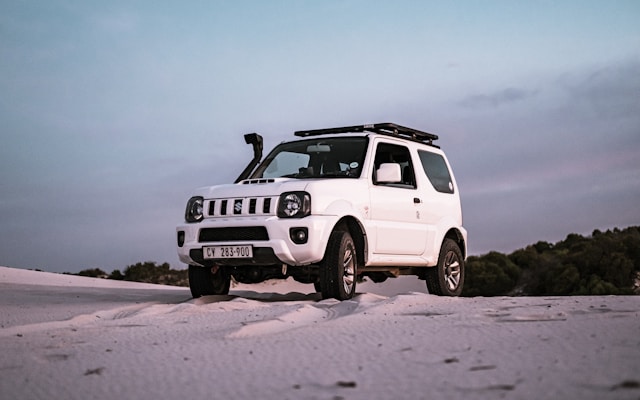
When buying a roof rack, the one thing you really need to know is the dynamic load rating, that’s the maximum weight it can handle while the vehicle is moving. That’s the only figure that actually matters in real life, static weight limits are just marketing nonsense that don’t reflect the kind of forces your gear will be putting on the rack at 100 km/h on the Kwinana extension. Dynamic ratings vary an awful lot between systems. You might be lucky with a budget crossbar and get 50–75 kg, but if you spend a bit more on a heavy duty tray for your big 4WD, you can lift the rating to 150 kg or more. But here’s the important bit, the bars themselves need to be the right length for the width of your car’s roof and the size of the load you’re carrying, if the load is sticking out over the sides of the car beyond what’s allowed, you’re risking a fine in WA and a nasty accident on the streets of Rockingham. And it’s worth noting: the manufacturer’s roof load limit is actually separate from the rack’s rating, and the lower figure always wins.
Crossbars, Platforms And Roof Boxes, They All Do Different Things
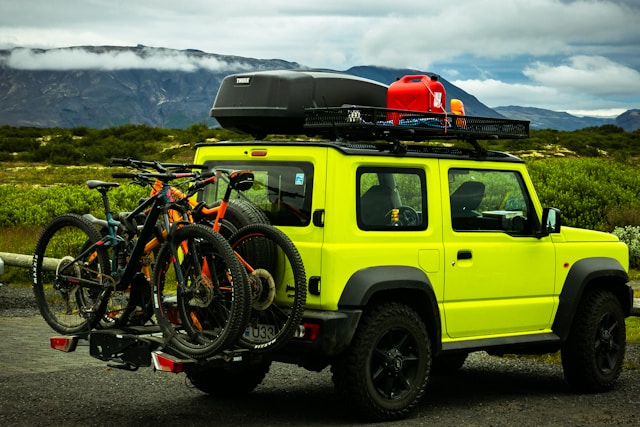
Crossbar systems are basically just a pair of bars that’ll take all sorts of accessories, bike carriers, kayak mounts, cargo bags and the lot. They’re the most versatile starting point and suit people who need to carry different loads at different times. Platform trays, on the other hand, give you a single, flat load surface and are best for the kind of overland loads that involve camping gear and the like, or if you need to strap loads down to the tray itself rather than some fancy mount. Roof boxes are great for keeping gear dry and safe from the road grime and WA’s killer summer sun, but you’ve got to be aware that they’ll add to your wind noise and drag, which can make for a pretty uncomfortable drive on those long runs along the freeway.
Systems designed for tradies, ladders, pipe carriers and the like, are built to take the stresses of daily use in a way that your average recreational rack just can’t match. And for a tradie who’s got to use a recreational rack for all that ladder hauling, it’s just a matter of time before that rack fails, and it’ll happen a lot faster than you’d ever get from the rated capacity alone. And the cost of replacing that rack, or worse, making a mistake on some busy road in Rockingham? It’s a whole lot more than the difference between a decent commercial system and a cheap one.
Compatibility Is Not Assured For All Kinds Of Vehicles
The term roof racks Rockingham does not refer to compatibility as per the type of roof: bare metal roof, fixed points roof, raised rails roof, and flush rails roof. There are special mountings required for all these roofs, and failure to use the right mounting results in an unsecured roof rack, irrespective of the load capacity. Load capacity is restricted for vehicles that have panoramic or glass sunroof because the glass panel cannot handle the roof flex induced by the weight of load. Some automobile manufacturers even prohibit rack installation on their models beyond a certain load capacity. UTE vehicle models that include Ford Ranger and Toyota HiLux come fitted with roof rail systems that can accommodate only certain branded accessories. Combining accessories of one brand with the other brand on tower and bar leads to cancellation of load capacity. Errors in mounting such as wrongly torqueing of clamping feet or incorrectly assembling the towers pose dangers in terms of a loose rack in the event that it gets detached from the roof while driving.
Continuing Consideration Factors That Are Usually Overlooked
It is common for theft of roof rack accessories such as bike carriers and cargo boxes among others to occur in suburban areas. Mounting lockable end caps and lockable mounts will prove to be an investment. Complaints about the noise due to aerodynamic effects on round crossbar profile is very common among people who just bought a roof rack; aero/wing-shaped profile bars reduce the noise and drag at moderate speeds along the way to Perth CBD. Salt air causes quick corrosion of metal roof rack accessories such as bolts; use of stainless fasteners and regular anti-corrosive coating is beneficial. Checking and retightening of mountings annually will take twenty minutes and help in reducing the vibrations caused by movement on unsealed roads in Peel region.

What Lennox Head Homeowners Consistently Get Wrong Before Starting a Renovation?


Ask any experienced Lennox Head builder where renovations go wrong and the answer is rarely about the tiles or the...


Before You Buy a Single Piece of Outdoor Furniture, Work These Things Out First
Most failures in outdoor furniture start before the furniture even gets there. This is how you plan properly and avoid...

The Covered Outdoor Room: Why Bayswater Homeowners Are Investing in Pergolas Rather Than Patios?
The confusion between a pergola and a patio cover is not just a technical thing. It has a real impact...

The Engineering Case for Steel That Alternative Pipe Materials Have Not Yet Answered
Alternative pipe materials have made some serious strides over the past 20 years. Thermoplastics have expanded into new areas; the...