





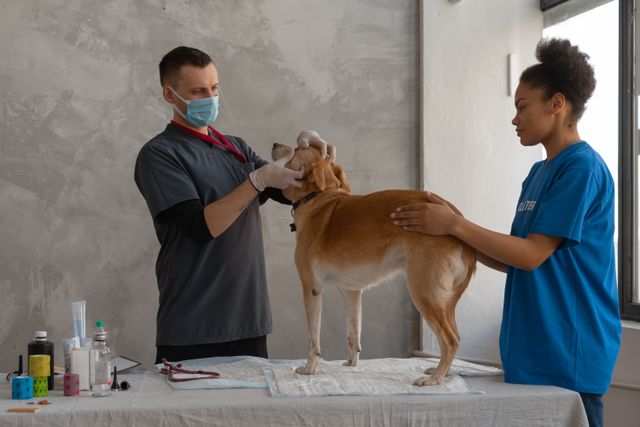
Most dogs referred to a canine chiropractor tend to arrive without having suffered any kind of obvious, acute injury. The more common scenario is a gradual, low-grade change in behaviour or movement that their owner starts to notice before the vet even picks up on it. It could be reluctance to use the stairs because maybe they used to be okay with them but now they’re not, a minuscule head tilt that’s only recently appeared, a sudden sensitivity if you touch along their spine, a change in their sitting posture with one hip starting to drop down to the side, or a reduced willingness to do a trick that used to be second nature to them.
Training: Why the Human Qualification Doesn’t Transfer
There are some pretty key anatomical differences between human and dog spines. That’s why training in human chiropractic just doesn’t qualify someone to apply the same techniques to dogs. The number and orientation of your vertebrae, the relationship between your thoracic spine and your ribcage, the way the lumbar spine meets the sacrum, and the role of your tail as a functional part of your spine are all completely different in dogs. Canine-specific training programs usually take one to three years of study after getting a prerequisite qualification. A human chiropractor who hasn’t done this extra training just isn’t qualified to treat dogs, regardless of how good they are with humans. It’s not just a minor issue. It’s something that really matters both clinically and for the owner’s safety.
The Veterinary Relationship Is Not Optional
Responsible canine chiropractic practice needs to be working within a vet-supervised structure. This isn’t about turf wars between professionals. It’s about keeping the patient safe. There are a number of conditions that present as musculoskeletal stiffness but actually have a medical cause that needs to be identified before you start doing any sort of manipulation. These include a burst disc that’s pressing on the nerves, a bone tumour near the spine, arthritis that’s flaring up and needs to be managed, or a fracture that isn’t visible on the surface. Dog chiropractors who wants to start treating a dog without getting a vet on board or doing a proper medical examination first is basically flying blind. Before booking an appointment with any canine chiropractor, make sure the practitioner says, or recommends, that you see a vet first. They should also have a clear plan for what to do with any conditions that need medical management before you can even think about chiropractic care.
Working Dogs and Sport Dogs
Border collies doing working jobs, agility dogs competing for times, greyhounds racing at breakneck speeds, and kelpies performing high-level tasks all fall into a group of dogs where the need for a chiropractor is a little different to what you’d see in a household companion dog with a chronic back problem. For dogs in these high-performance roles, chiropractic care is used in two main ways. One is to fix up the acute problems that come from all that training and competition. The other is to keep them ticking over by spotting any slight issues before they become major performance spoilers. If you’re one of these owners who uses chiropractic as part of your dog’s regular maintenance programme, then it’s still really important to keep your vet involved in the overall health plan. That goes whether your dog is feeling okay or not.
Finding a Qualified Practitioner and What the First Visit Involves
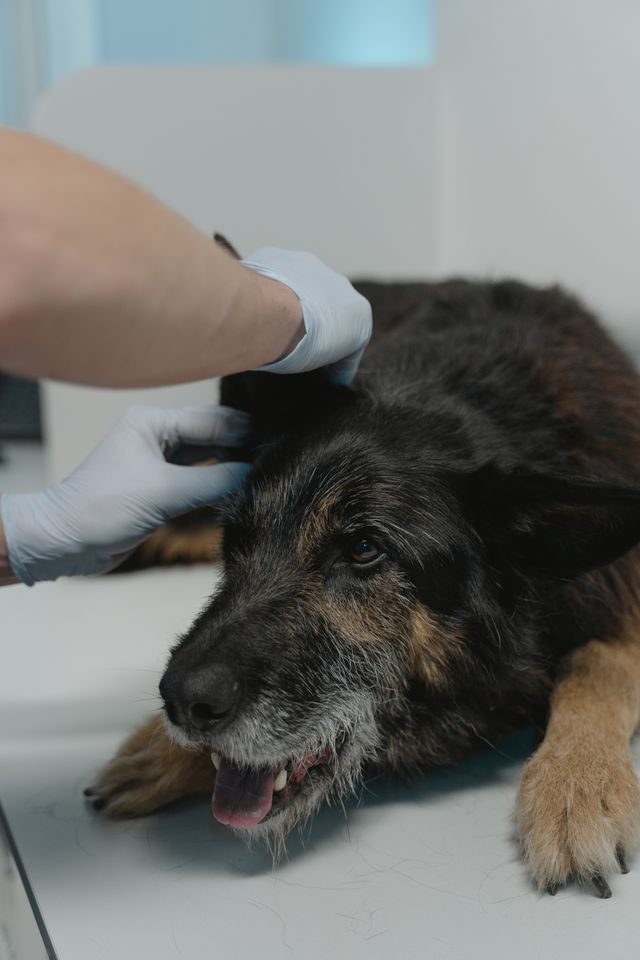
When looking for a canine chiropractor, the first thing you want to do is check if they’re certified either through IVCA or AVCA. Both of those organisations keep lists of qualified practitioners. Before booking that first appointment, make sure you know a bit about the person you’re dealing with. That includes whether they need a vet to sign off on new patients, and if they’ve got much experience with your breed or the problem your dog’s got. The first appointment usually lasts anywhere from 45 to 60 minutes. It involves taking a proper history, not just what’s going on now, but what’s happened before, what the vets have said, what sort of exercise your dog gets up to, and anything in their medical history that might be relevant to what you’re looking for. Trying to bring some recent vet records and any imaging reports with you can make the whole thing run a lot smoother.
Tags:KS


What Lennox Head Homeowners Consistently Get Wrong Before Starting a Renovation?


Ask any experienced Lennox Head builder where renovations go wrong and the answer is rarely about the tiles or the...


Before You Buy a Single Piece of Outdoor Furniture, Work These Things Out First
Most failures in outdoor furniture start before the furniture even gets there. This is how you plan properly and avoid...


The Covered Outdoor Room: Why Bayswater Homeowners Are Investing in Pergolas Rather Than Patios?
The confusion between a pergola and a patio cover is not just a technical thing. It has a real impact...


Roof Racks in the Rockingham Area: How to Match the System to the Load Before You Buy
There's a particular kind of anger that kicks in when you snap up a roof rack for your first camping...