




Most failures in outdoor furniture start before the furniture even gets there. This is how you plan properly and avoid making mistakes in the process. People who experience regret regarding their outdoor furniture purchases usually don’t have such feelings when their purchases get delivered; instead, they have these feelings much later, since the space feels cluttered, inefficiently used, or simply “not quite right,” although nobody knows why. The problem is always the same: proper planning came only after buying the furniture.
Map the Space Before You Look at Any Product
Begin with the tape measure, and not the product page. When you’re working with My Wicker or any supplier, first establish your outdoor area in all measurements and make a list of all the permanent constraints: steps, drain points, downpipes, clearance for doors and windows and any exterior wall fixtures. These are the limiting factors that tell you what can and cannot go where, and these are not going to change to fit what you may want.
The typical Australian housing market consists of detached dwellings, with the majority of them possessing some type of outdoor area. Such areas have differences in size, orientation and the number of hours during which they will be comfortable without any shading. Renters and owners alike face the same planning constraints regardless of tenure.
Decide What the Space Is Actually For
An outdoor space attempting to fill all roles equally, as both a dining room, lounge and sun deck with no primary function, succeeds at none of them. If entertaining guests on a regular basis is the main purpose, the amount of seating and traffic around the table become the priorities. For usage by one or two people most days for leisure, a lounge setup with a coffee table and side table provides for more practical scenarios than a dining setup.
A flexible piece of modular furniture is an option to consider if the outdoor space does need to be able to cater to various purposes and seasons. But this is not a substitute for good planning. No matter how versatile the piece is, it still requires dimensions to be chosen with regard to available floor space, not the preferred one.
Get the Numbers Right
The difference between the number of people who make up a household and those who usually meet when entertaining is the common point where outdoor furniture sizing goes wrong. Even a family of four finds that seating for six people or more becomes necessary for hosting when the whole year of casual entertaining is taken into account.
Buying a smaller set and making up for the difference with some additional chairs is rarely the way to go. The modular setup that is possible to expand over time would be a much more reasonable option than the purchase of a large, speculative set without clear hosting preferences yet formed.
Keep the Indoor to Outdoor Visual Connection in Mind
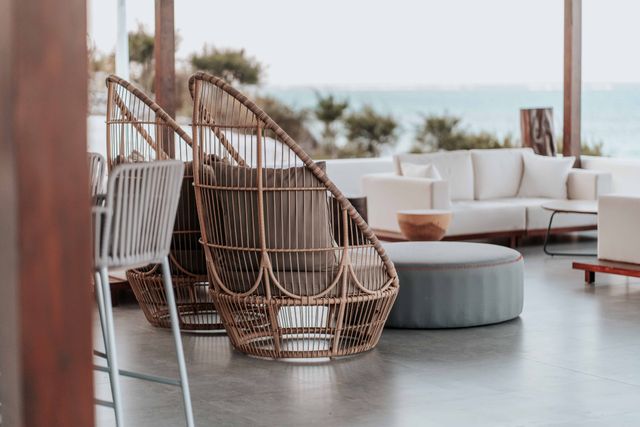
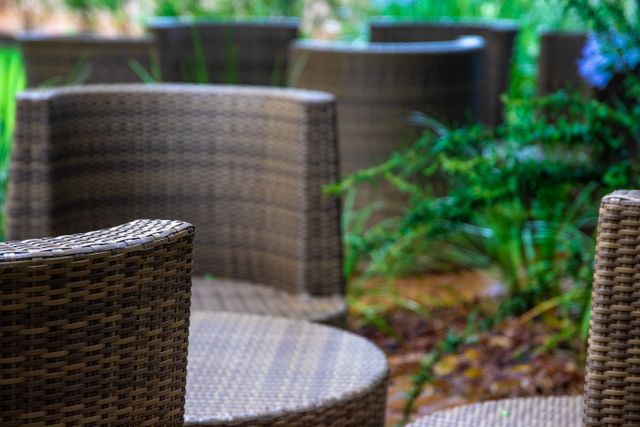
An Australian home design implies that the outdoor area is visible from the majority of interior living spaces. The visual connection between the indoor and outdoor areas becomes very noticeable sooner than buyers expect. A wicker set carries a natural, relaxed appearance which blends well with modern, beach, or traditional interior style and does not require a strict colour match.
Matching the frame and cushion colours to complement the interior palette but not copy it tends to result in a more thoughtful choice. Choosing the furniture only based on its looks in the product image without taking into consideration what it would look like against the existing pavers, deck, rendered walls or garden planting is what results in poor decisions every time.
Tags:KS

The Covered Outdoor Room: Why Bayswater Homeowners Are Investing in Pergolas Rather Than Patios?


The confusion between a pergola and a patio cover is not just a technical thing. It has a real impact...


Roof Racks in the Rockingham Area: How to Match the System to the Load Before You Buy
There's a particular kind of anger that kicks in when you snap up a roof rack for your first camping...


The Engineering Case for Steel That Alternative Pipe Materials Have Not Yet Answered
Alternative pipe materials have made some serious strides over the past 20 years. Thermoplastics have expanded into new areas; the...


Bond Cleaning in Canberra: Why Property Managers Can Tell the Difference in Minutes
Having done thousands of final inspections in his tenure, a property manager does not require much time to make out...